Triumph in Italy
Models
Articles
Books
Documents
Bulletins
Our Events
▲
Articles | History and culture
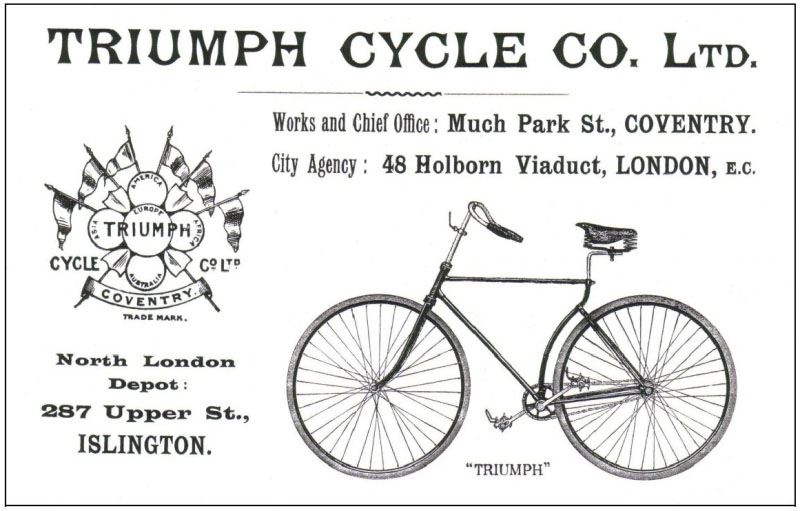
The birth of Triumph
If you drive a Triumph in a country other than the United Kingdom, you're used to hearing the weirdest questions about the origin of your car and, if the passerby has a bit of motoring culture, he will ask you for sure about the link with the homonymous and still existing motorcycle manufacturer. Sometimes the question also puzzled the enthusiasts because, if nearly everything is known about the sad end of the Triumph, it's not common to read something about its birth.
Articles | Technical and tuning
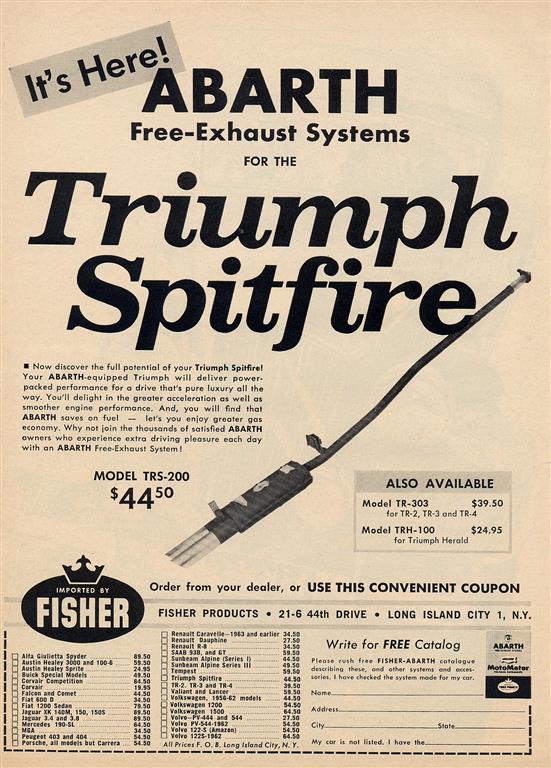
Abarth exhausts: the factory of noise
Carlo Abarth has been a myth for teenagers in the ‘50s and ‘60s and still today any sport car enthusiasts’ eyes sparkle when hearing his name. His firm leap to the fore for its tuning, its elaborations, its victories on tracks all over the world, and for the sport accessories developed to answer any enthusiasts’ dream to run faster. Among these accessories, the famous exhausts. We tell here the history of the exhausts produced by Abarth specifically for Triumph cars.
Articles | History and culture
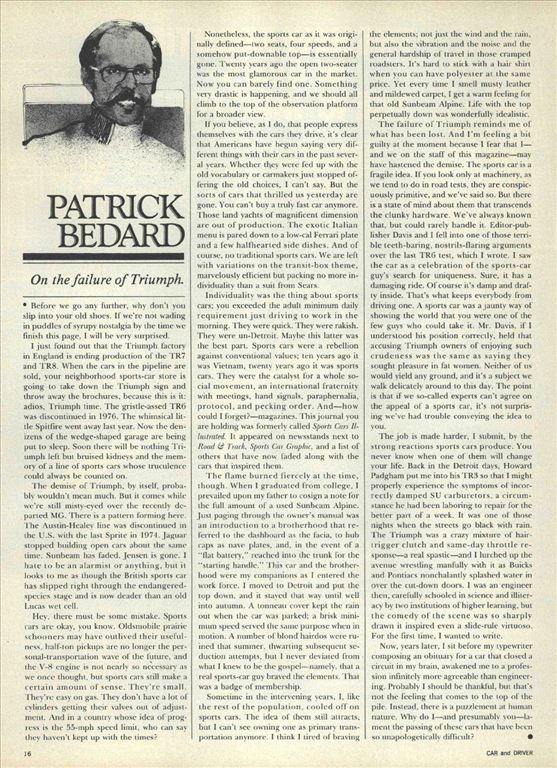
On the failure of Triumph
In 1981 Pat Bedard, a popular US driver and journalist, wrote this article after the last Triumph sport car produced and talked about what "sport car" meant in its golden age (150s-1970s). His thoughts may explain the reason we're still fascinated by these cars.
The original included article was published in the September 1981 issue of "Car and Driver" which we thank for allowing us to translate it.
Books | Technical
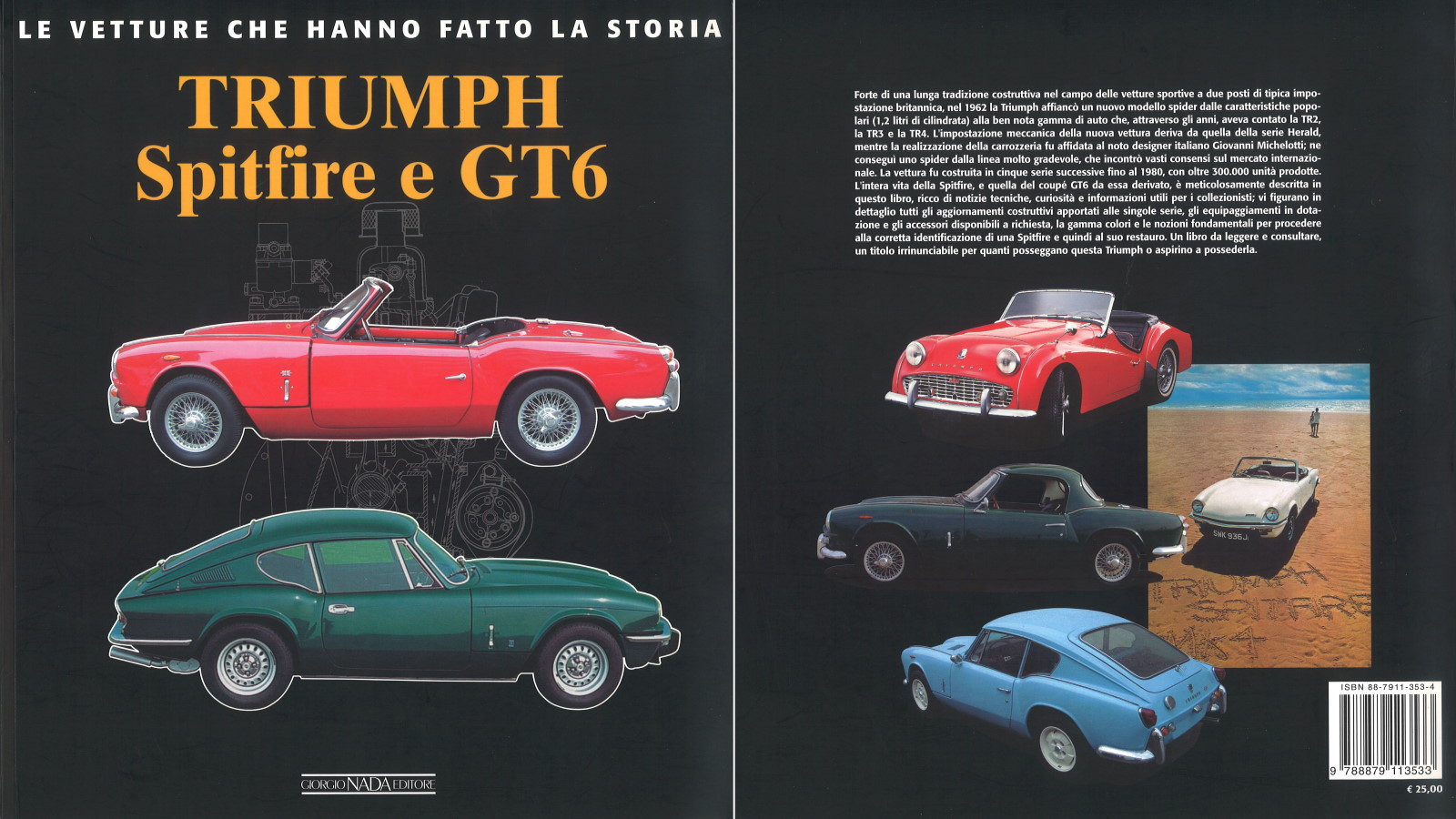
Triumph Spitfire e GT6
If you're Italian, one problem when looking for Triumph literature is the difficulty to get any in your language. If you're not confident with English, there are really few books that may help you and this, written by Eros talking about the "sister" Spitfire and GT6, is one of them.
Models | GT6
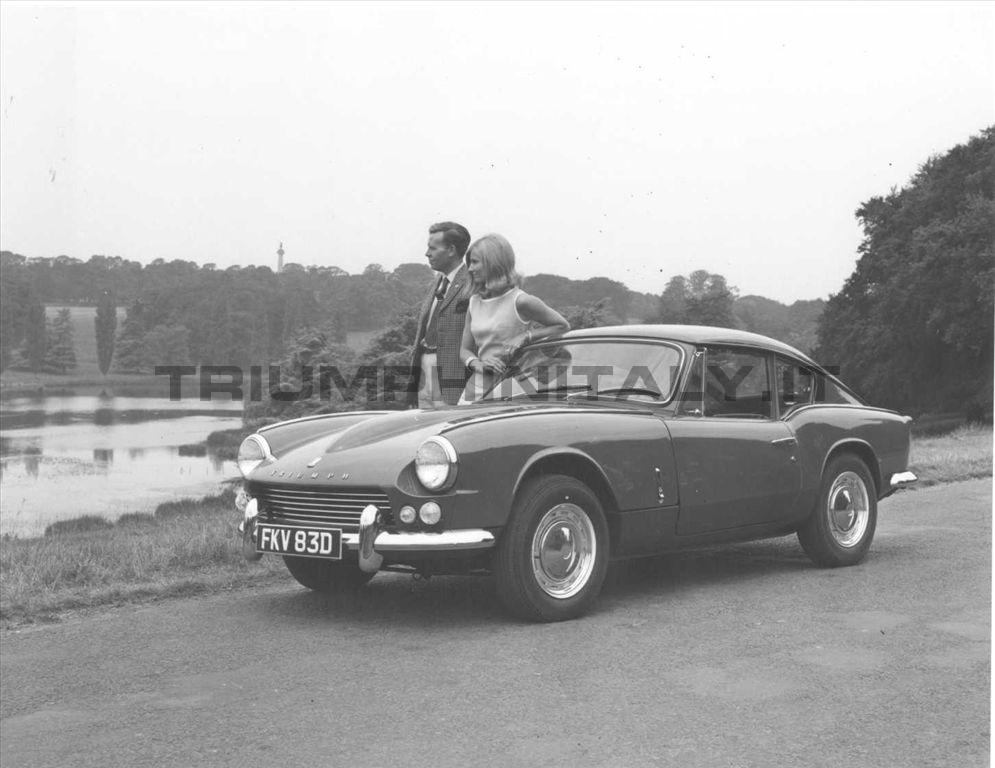
GT6 MKI
The first version of the Coupè derived from the Spitfire. A wonderful sport car with a 2 liters 6 cylinders engine and a comfortable cockpit approved for four people. A great engine with a great torque for a relaxed drive.
Documents | Manuals
Lucas Starting System
Manuale Lucas avviamenti